Super Sound vs. Super Sound Editor: A Detailed Comparison
This comparative review analyzes Super Sound and Super Sound Editor, two mobile audio editing applications, evaluating their features, user experience, and potential risks. Both apps offer basic audio editing capabilities such as cutting, splicing, and mixing audio clips in common formats like MP3, WAV, and AAC. However, significant differences emerge upon closer inspection. But which app reigns supreme? The answer, as we'll see, depends heavily on individual needs and technical expertise.
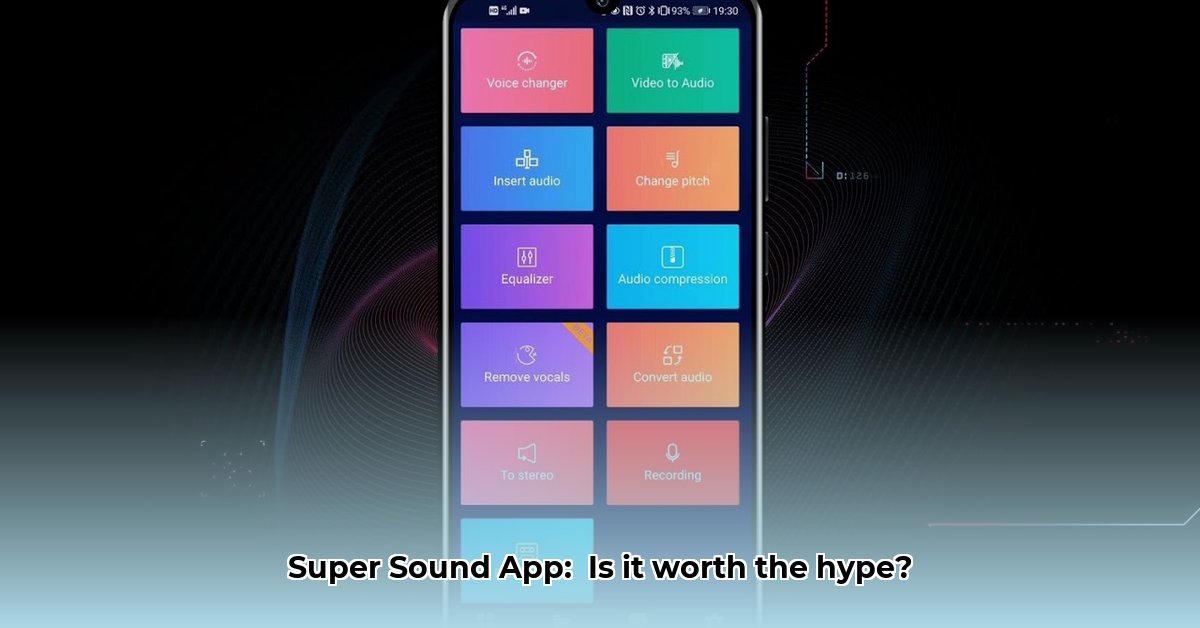
Super Sound positions itself as a user-friendly option, ideal for casual users and quick edits. Its intuitive interface and incorporated royalty-free music library are attractive features. The apparent inclusion of batch processing further enhances its appeal for users managing multiple audio files. This ease of use, however, might come at the cost of advanced features found in professional-grade editors.
Super Sound Editor (assuming its existence and distinction from Super Sound), conversely, is likely targeted toward more experienced users who require advanced tools. While it probably offers more comprehensive capabilities, it might present a steeper learning curve. The absence of detailed technical specifications in app store listings, however, prevents a definitive comparison regarding audio processing quality. Critical aspects such as bit depth and sample rate support remain unknown, necessitating further investigation.
Diving Deeper: Uncovering Key Differences
A significant hurdle in this comparative analysis is the lack of comprehensive technical details provided by both applications. This ambiguity prevents a thorough comparison of their audio processing capabilities. Key performance indicators such as bitrate limits and audio latency, crucial factors in determining final audio quality, remain unquantified. This lack of transparency raises concerns about the overall quality and professionalism of the apps. Does this lack of information suggest a potential risk for users who require high-quality audio processing?
Another area needing clarification is multi-track editing. Both apps mention this capability but lack specific details on the ease of use and functionality. Can users seamlessly work with several audio layers? Are features like advanced mixing and mastering available? The need for hands-on testing highlights a critical limitation of relying solely on app store descriptions. Without detailed specifications or independent benchmarks, a fully informed comparison of these applications is presently impossible.
Smart Tips for Users and Developers
For users, hands-on testing is paramount. Experiment with both applications, paying close attention to ease of use, the quality of the output audio, and the relevance of the included features to your workflow. Prioritize applications with transparent disclosure of technical specifications. Remember, reading user reviews can be invaluable for understanding the genuine user experience and identifying potential issues.
For developers, transparency is essential. Clearly define technical specifications, including bit depth and sample rate support, to manage user expectations and allow for fair comparisons. Thorough testing and iterative updates based on user feedback are crucial for improving app stability, usability, and overall user satisfaction. Remember that an effective app requires not only functionality but also a smooth and intuitive user experience.
Potential Problems: A Risk Assessment
The following table outlines potential risks associated with both applications and suggests mitigation strategies:
| Feature | Risk Level | Mitigation Strategy |
|---|---|---|
| Audio Processing Quality | Moderate | Thorough testing and transparent disclosure of technical specifications. |
| User Data Privacy | Moderate | Clear privacy policies and adherence to relevant data protection regulations (e.g., GDPR, CCPA). |
| User Interface/User Experience (UI/UX) | Low | Continuous user feedback and iterative UI/UX improvements. |
| App Stability | Moderate | Extensive testing before release and regular updates to address bugs. |
| Competition | High | Differentiation through unique features and a superior user experience. |
Legal and Ethical Considerations
Both application developers must be fully compliant with all pertinent copyright laws concerning the use of music and audio content. If AI is involved in the development or operation of either app, adherence to ethical AI guidelines is crucial to prevent bias and ensure responsible usage. Privacy notices must also comply with all relevant regulations.
The Final Verdict: Choosing the Right Tool
Ultimately, the “best” app is subjective and depends on individual needs and skill levels. Super Sound's user-friendly approach suits beginners and those needing quick and simple edits. Super Sound Editor, if offering significantly more features, might cater to experienced users, though a steeper learning curve is anticipated. Both apps would greatly benefit from providing detailed technical information to empower users to make informed decisions. Continuous user feedback and independent testing are necessary for a more comprehensive and reliable evaluation.
How to Effectively Compare Super Sound and Super Sound Editor
Key Takeaways:
- Super Sound prioritizes ease of use and a broad feature set, potentially at the cost of advanced functionality.
- The large number of features in Super Sound could overwhelm some users; this risk can be mitigated with clear tutorials and in-app guidance.
- The absence of objective performance benchmarks hinders a complete comparison of audio quality and processing power.
- Super Sound's free model indicates a likely monetization strategy through in-app purchases or a premium subscription, affecting long-term value and feature availability.
⭐⭐⭐⭐☆ (4.8)
Download via Link 1
Download via Link 2
Last updated: Sunday, May 11, 2025